

-
Experts available to discuss atmospheric rivers
Experts at NSF NCAR are available to talk with reporters about a number of aspects of atmospheric rivers.
- Climate,
- Weather
-
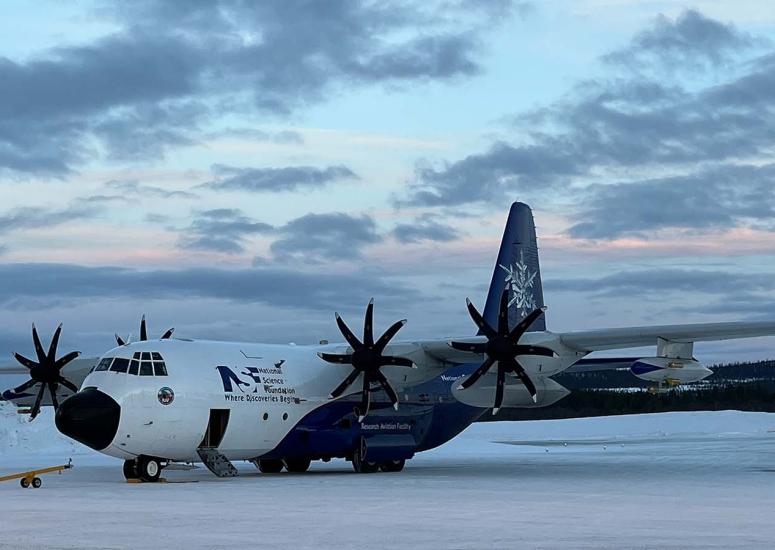
Flying into the cold unknown
Typically, pilots avoid flying where icing conditions can occur, but researchers are flying into extremely cold weather in order to study an Arctic phenomenon known as marine cold air outbreaks (CAOs). CAOs and the clouds they generate may have far-reaching climate impacts and scientists are hoping to understand more about the role they are playing in the rapid warming of the Arctic.
- Climate
-
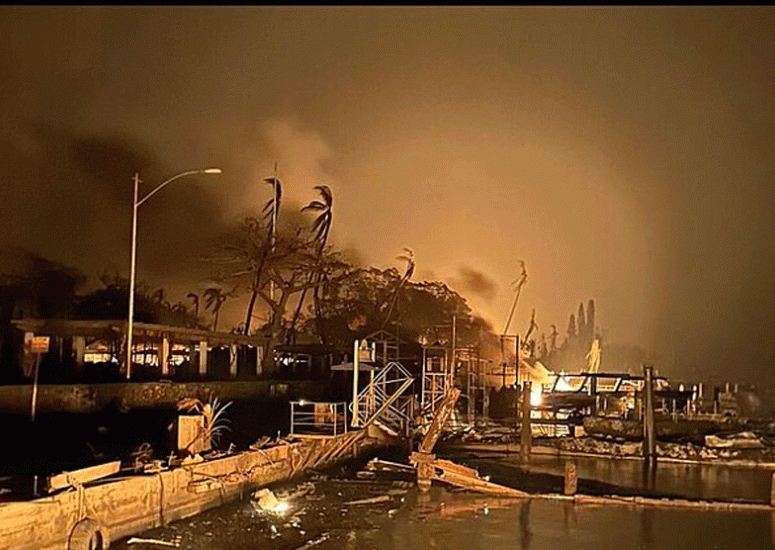
Scientists focus on Lahaina Fire to improve prediction of wildland-urban fires
Scientists have used a pair of computer models to simulate last year's Lahaina Wildfire, a development that could potentially help with future firefighting operations and evacuations.
- Weather
-
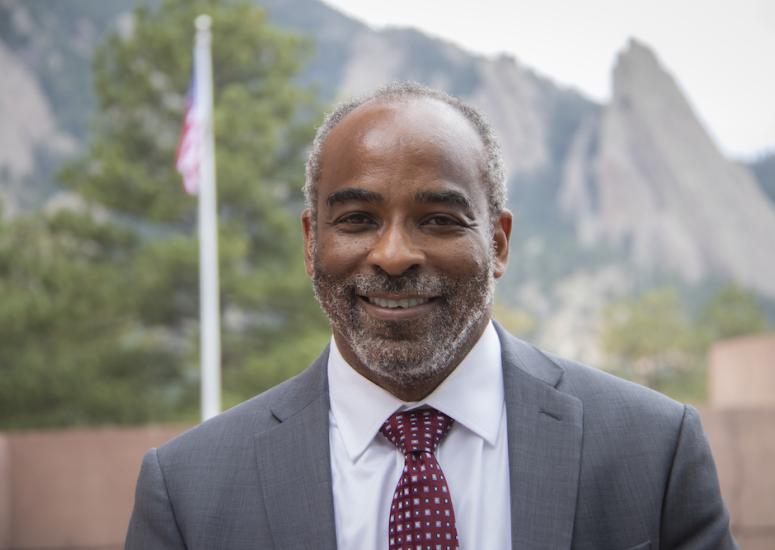
NSF NCAR Director term extended to 2029
Joseph’s accomplishments over the last five years include securing the $91.8 million grant from NSF to develop the Airborne Phased Array Radar (APAR), and much more.
- Organization
-
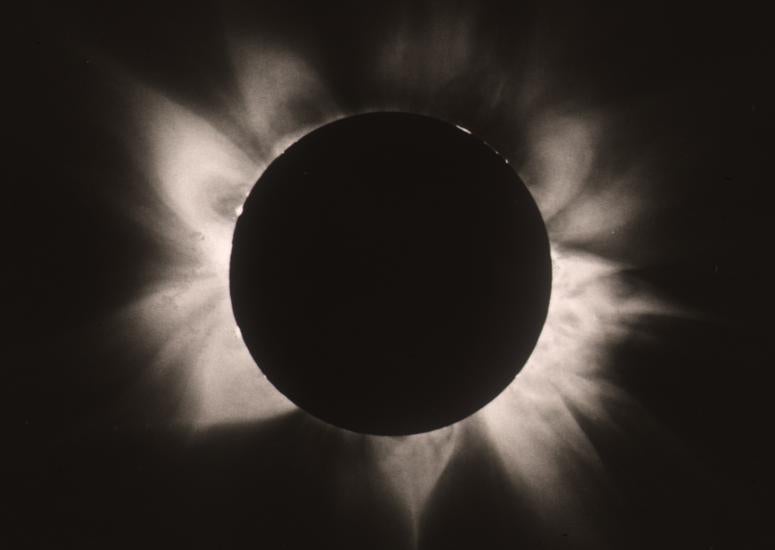
Experts available to explain solar eclipse
Eclipse experts are available to discuss eclipses, why eclipses are important for studying the Sun, and what research NSF NCAR is participating in during the April 8, 2024 eclipse.
- Sun + Space Weather