

-
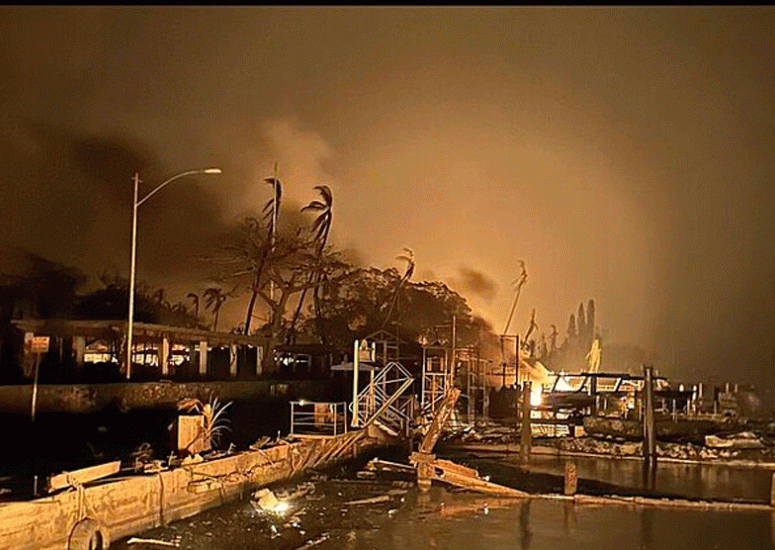
Scientists focus on Lahaina Fire to improve prediction of wildland-urban fires
Scientists have used a pair of computer models to simulate last year's Lahaina Wildfire, a development that could potentially help with future firefighting operations and evacuations.
- Weather
-
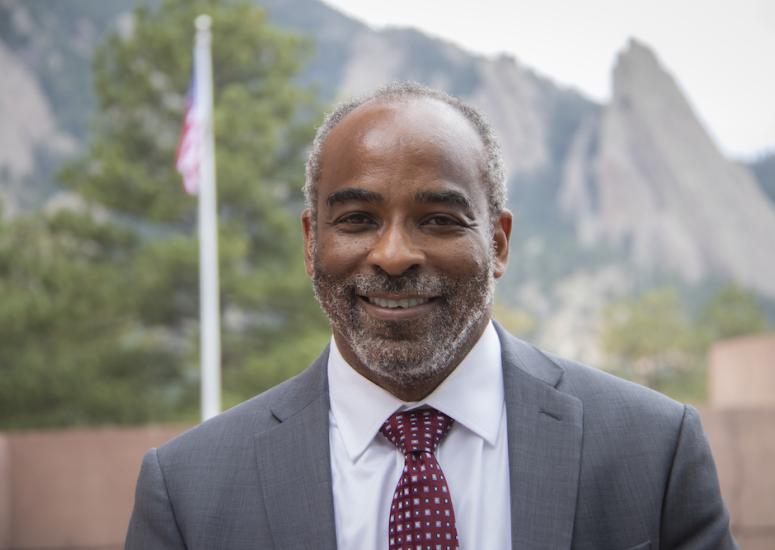
NSF NCAR Director term extended to 2029
Joseph’s accomplishments over the last five years include securing the $91.8 million grant from NSF to develop the Airborne Phased Array Radar (APAR), and much more.
- Organization
-
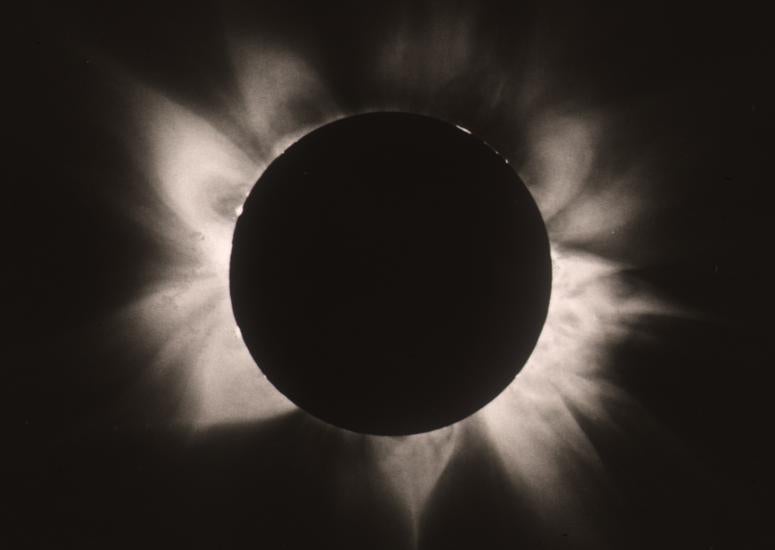
Experts available to explain solar eclipse
Eclipse experts are available to discuss eclipses, why eclipses are important for studying the Sun, and what research NSF NCAR is participating in during the April 8, 2024 eclipse.
- Sun + Space Weather
-
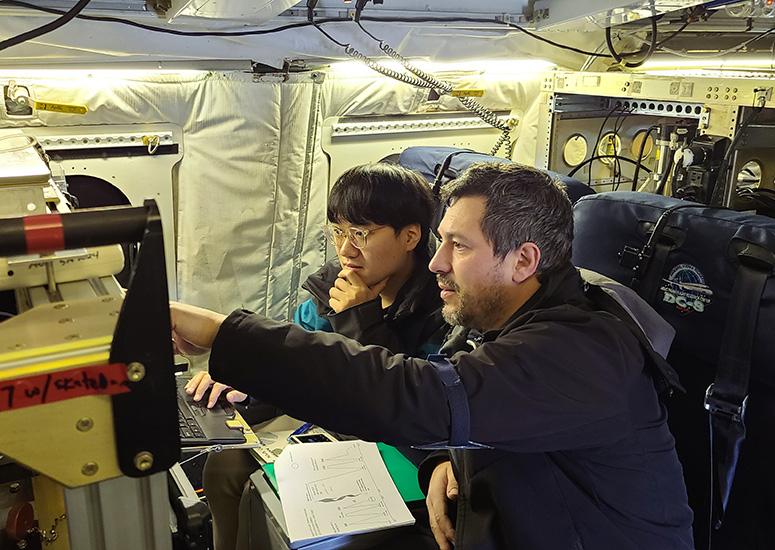
NSF NCAR scientists participate in mission to measure air quality over Asia
Scientists from the U.S. National Science Foundation National Center for Atmospheric Research (NSF NCAR) have begun a four-country deployment focused on obtaining airborne observations of air quality over some of Asia’s largest cities.
- Air Quality
-
Climate change isn’t producing expected increase in atmospheric moisture over dry regions
Although a warmer atmosphere can hold more water vapor, atmospheric moisture has not increased over arid and semi-arid regions of the world as the climate has warmed.
- Climate